This post is also available in:
 Español (Spanish)
  Français (French)
It rains here. This is not the odd inconvenience: it is the climate. The city averages around 170 days of rainfall a year, and if you come in any month other than July or August you can expect to get wet at least one day. It is worth accepting that before you pack, and bringing a waterproof rather than an umbrella, because with wind an umbrella does not last long.
The good news is that San Sebastián is ready for it. It is a compact city, with museums within walking distance, covered markets and a network of buses and trains that gets you out of the rain in a few minutes. These are the plans we give our guests when the morning comes up grey.
San Telmo, Basque history under cover
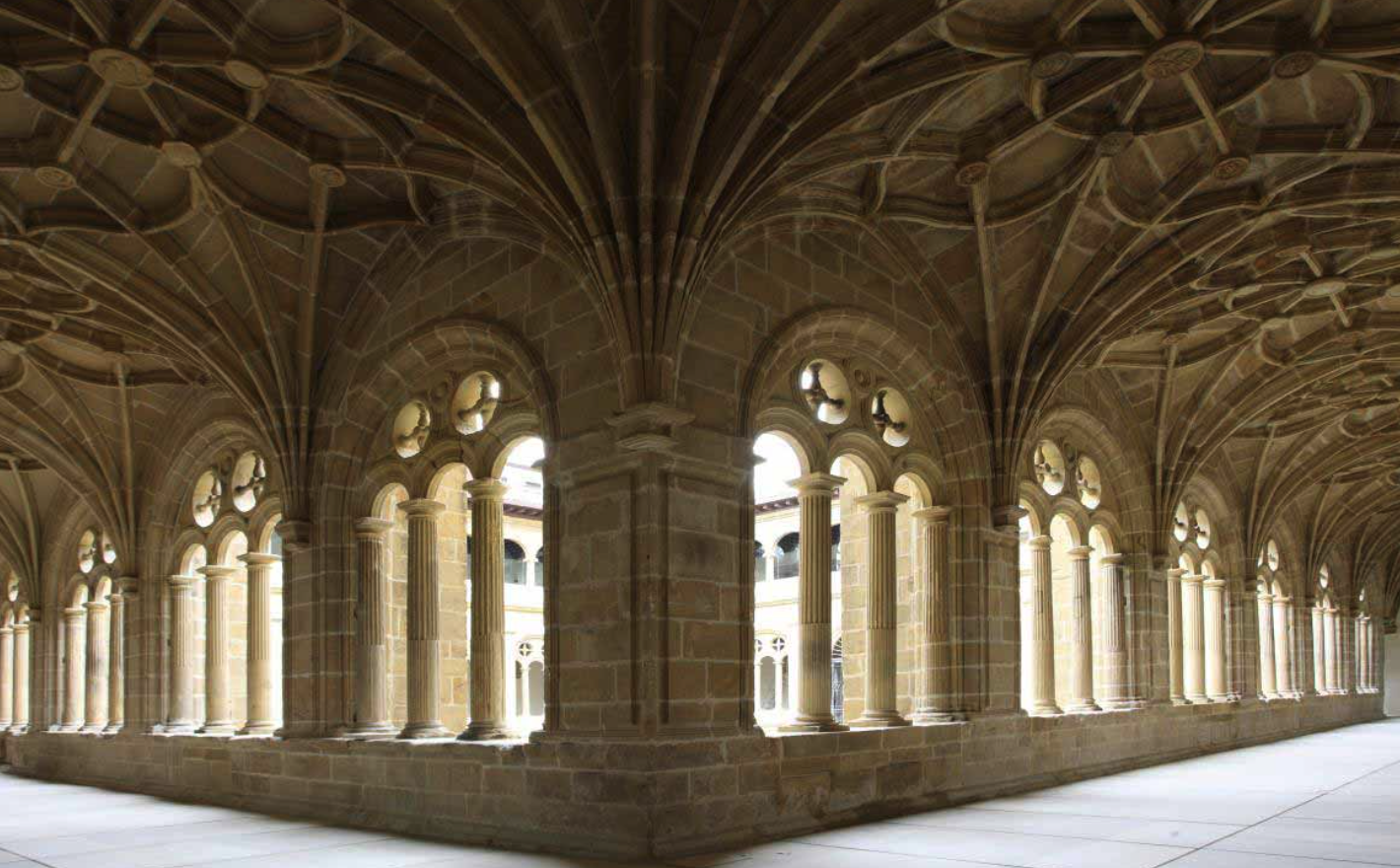
The museum of Basque society occupies a sixteenth-century Dominican convent at the foot of Monte Urgull, in the Old Town, extended with a contemporary building whose perforated facade has plants growing through it. The permanent collection traces how people have lived and worked in this territory, and the temporary exhibitions are often worth the visit on their own.
Even if ethnography is not your thing, the cloister and the Sert canvases in the old church justify the ticket. It is wheelchair accessible and entry is free on Tuesdays. Allow about two hours.
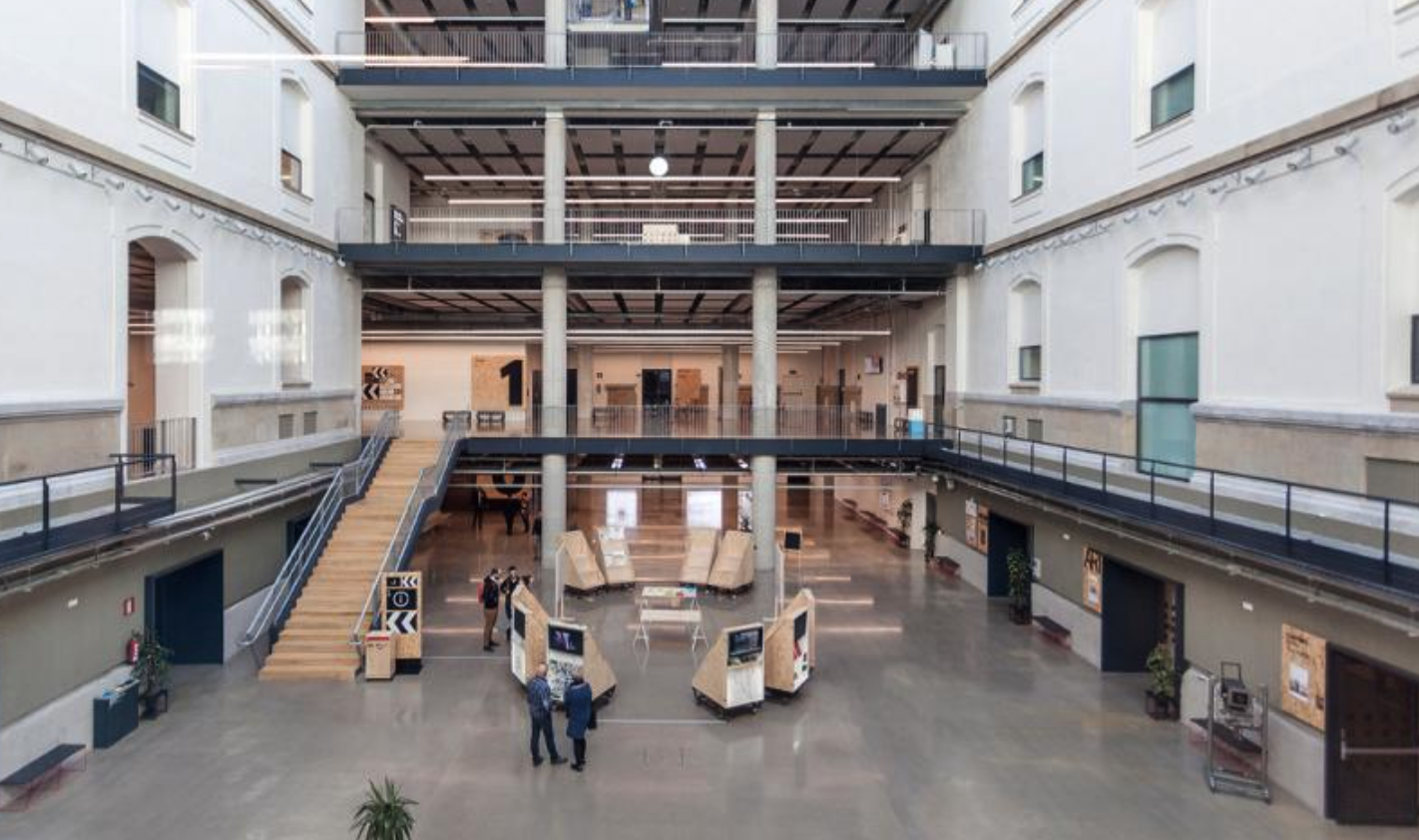
Tabakalera, contemporary culture and free entry
The old tobacco factory in Egia, next to the train station, is now a centre for contemporary culture. It has exhibitions, a library, a film archive, open working areas and a top-floor terrace with a view over the city for when the rain stops.
It is probably the best free plan in the city on a wet day: you walk in without paying, you can stay for hours and there is somewhere to sit with a book without anyone looking at you. It is a short walk from Paseo de Francia along the bank of the Urumea, all flat.
The Aquarium and the Bay of Biscay from the inside
At the end of the harbour, the Aquarium combines two things: a run through Basque maritime history, with the whalers and the tuna fishery, and the tanks themselves, with the shark and ray tunnel as the highlight. It opens every day of the year except a couple of set dates and works very well with children.
The walk there, hugging the bay, is short but exposed: in a storm the sea comes over the wall. It is worth seeing, carefully and without going near the parapet.
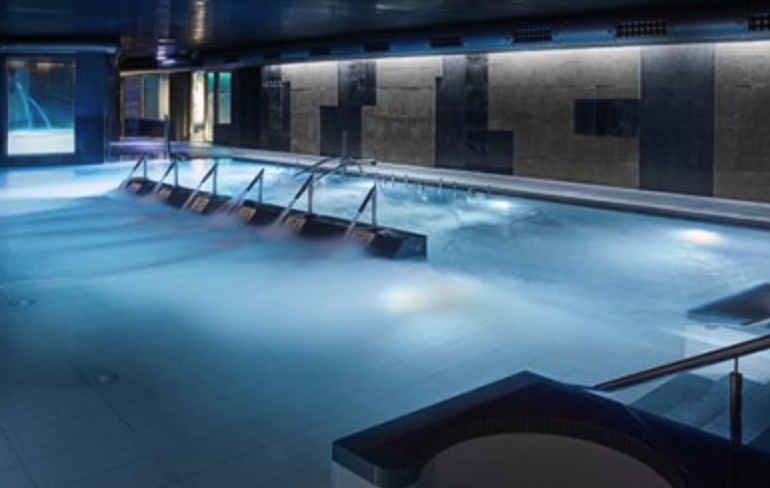
La Perla, watching the storm from warm water
On the Paseo de La Concha itself, inside the building of the old royal bathhouse, there is a thalassotherapy centre with warmed sea water and a direct view over the bay. It is an emblematic city institution and one of those things that improves as the weather worsens: being in warm water while the rain beats against the window has something going for it.
You do not need to be a member to use the water circuit, but it is worth booking ahead and checking prices and opening hours on their website, because they change with the season.
Films in their original version, and Zinemaldia
San Sebastián is a film city: the oldest film festival in the Spanish-speaking world is held here every September. Outside those dates, there are cinemas in the centre and in Gros that show films in their original version with subtitles all year round, and the film archives of the San Telmo Museum and Tabakalera round out the offering with seasons and screenings at token prices.
The train to Hendaye, the rainy-day trip
If the rain has settled in, changing country is a plan. The Euskotren service that locals call "el topo", the mole, leaves from the centre and reaches Hendaye skirting inland Gipuzkoa; the journey takes a little over half an hour and you pay with a transport card or a single ticket.
In Hendaye you can walk round the bay, take the boat over to Hondarribia when the weather allows, or catch the French train towards Saint-Jean-de-Luz. The trains are accessible and the stations have lifts. If the idea appeals, we have more day trips across the border.
The markets, covered and full of life
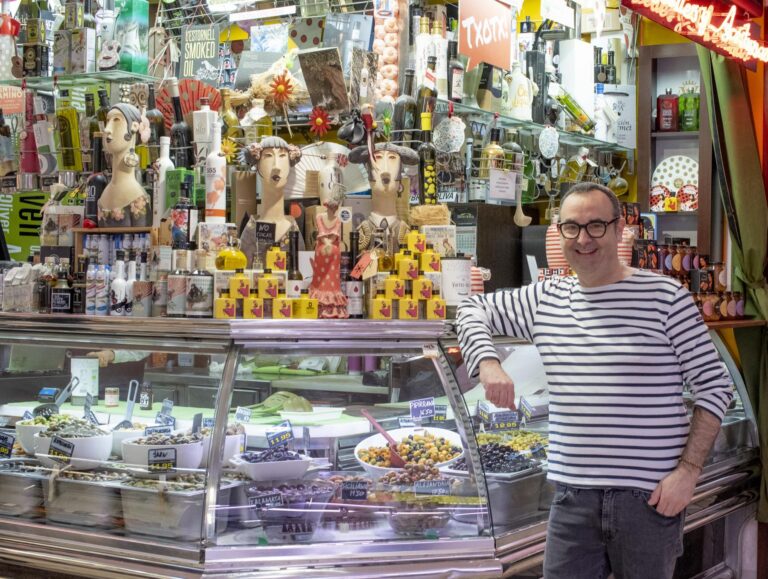
La Bretxa, in the Old Town, and San Martín, in the Ensanche, are covered municipal markets that open in the mornings. Walking among the fish, cheese and vegetable stalls is a plan in itself even if you buy nothing, and if you do buy, dinner is sorted. They are ten and twelve minutes on foot from Gros. We cover them in detail in our guide to the markets.
Cooking at home when it will not clear
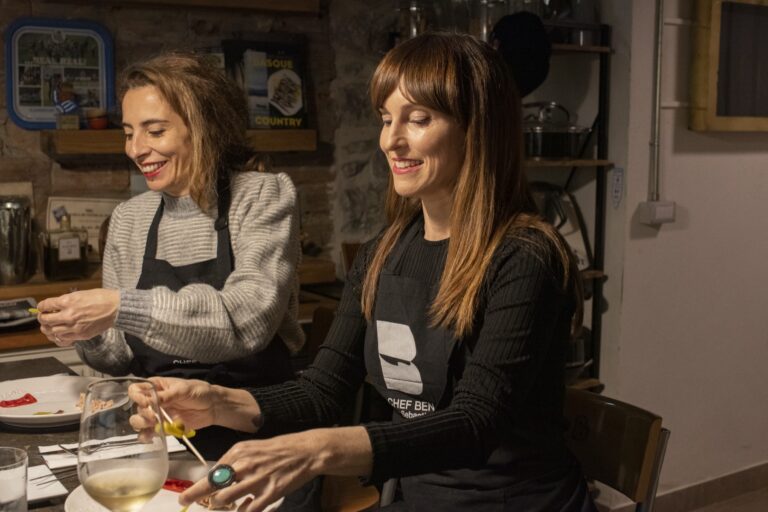
It may sound unambitious, but it makes for some of the best days you can spend here: down to the market in the morning, back up with fresh fish, a few peppers and a bottle of txakoli, and cooking with no clock. Our apartment has a full kitchen and large windows onto Paseo de Francia, with the river right in front. Rain against the glass, seen from inside, is easy to live with.
What to pack
- A waterproof with a hood, better than an umbrella: the wind off the Bay of Biscay breaks umbrellas daily.
- Waterproof shoes with good grip; the wet cobbles of the Old Town are slippery.
- A thin extra layer even in summer, because the temperature drops as soon as it rains.
Frequently asked questions
When does it rain most in San Sebastián?
From October to April, with November the wettest month. Even so, it can rain here any day of the year, August included.
Is it worth coming if the forecast shows rain all week?
Yes. The sirimiri comes and goes, it rarely rains for twelve hours straight, and the city has museums, markets and cinemas within walking distance. On top of that, the coast in a storm is a spectacle.
Which rainy-day plan works best with children?
The Aquarium, without question. After that, the interactive science museum at Miramón, ten minutes by car from the centre, and the family workshops at San Telmo at weekends.
Are the museums accessible?
Yes. San Telmo, Tabakalera and the Aquarium have adapted access and lifts. The city buses are low-floor with a ramp, so getting around in a wheelchair in the rain is easier than it sounds.
What if I want the beach even in the rain?
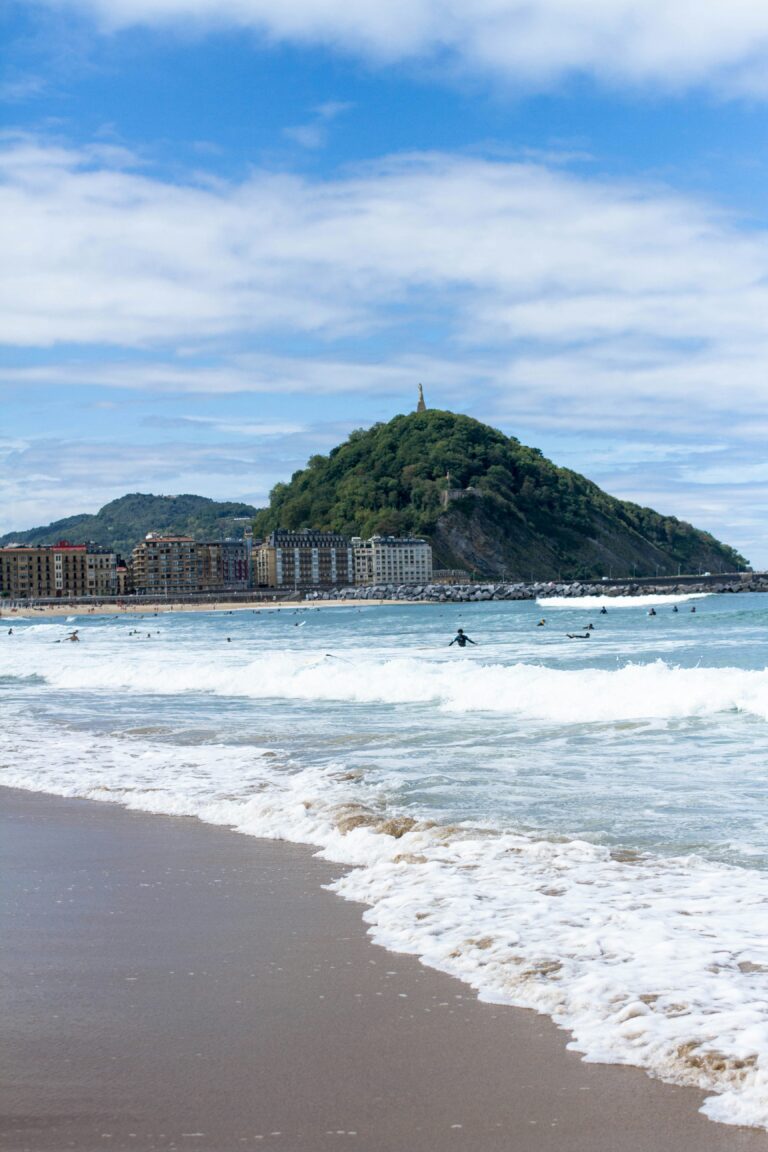
Look at the sea from the Paseo Nuevo or from the Comb of the Wind at high tide. You will not swim, but you will remember the sight longer than a sunny day.