This post is also available in:
 Español (Spanish)
  Français (French)
From November to March, San Sebastián belongs to the people who live in it. The terraces are packed away, the promenades empty out and the city gets back a rhythm that is impossible in August. If you are thinking of coming out of season, this is what you will find, told plainly by people who live in the Gros neighbourhood all year round.
We are not going to tell you it doesn't rain, because it does. What we will tell you is that winter in Donostia has things summer does not: the cider house season, the Tamborrada, museums with no queues and a rough sea hitting the Paseo Nuevo. It is a different city, and a lot of people like it better.
What the weather is really like
The winter average sits between 5 and 13 degrees. It is not a cold that cuts, but the damp amplifies it and the sea wind finishes the job. November and December are the wettest months of the year.
What you normally get is not a whole day of rain but showers that come and go, and the xirimiri: the fine, steady drizzle that nobody here considers a reason to change plans. Bring a hooded waterproof and shoes that keep water out; an umbrella on the Paseo Nuevo, in the wind, lasts about as long as you would expect.
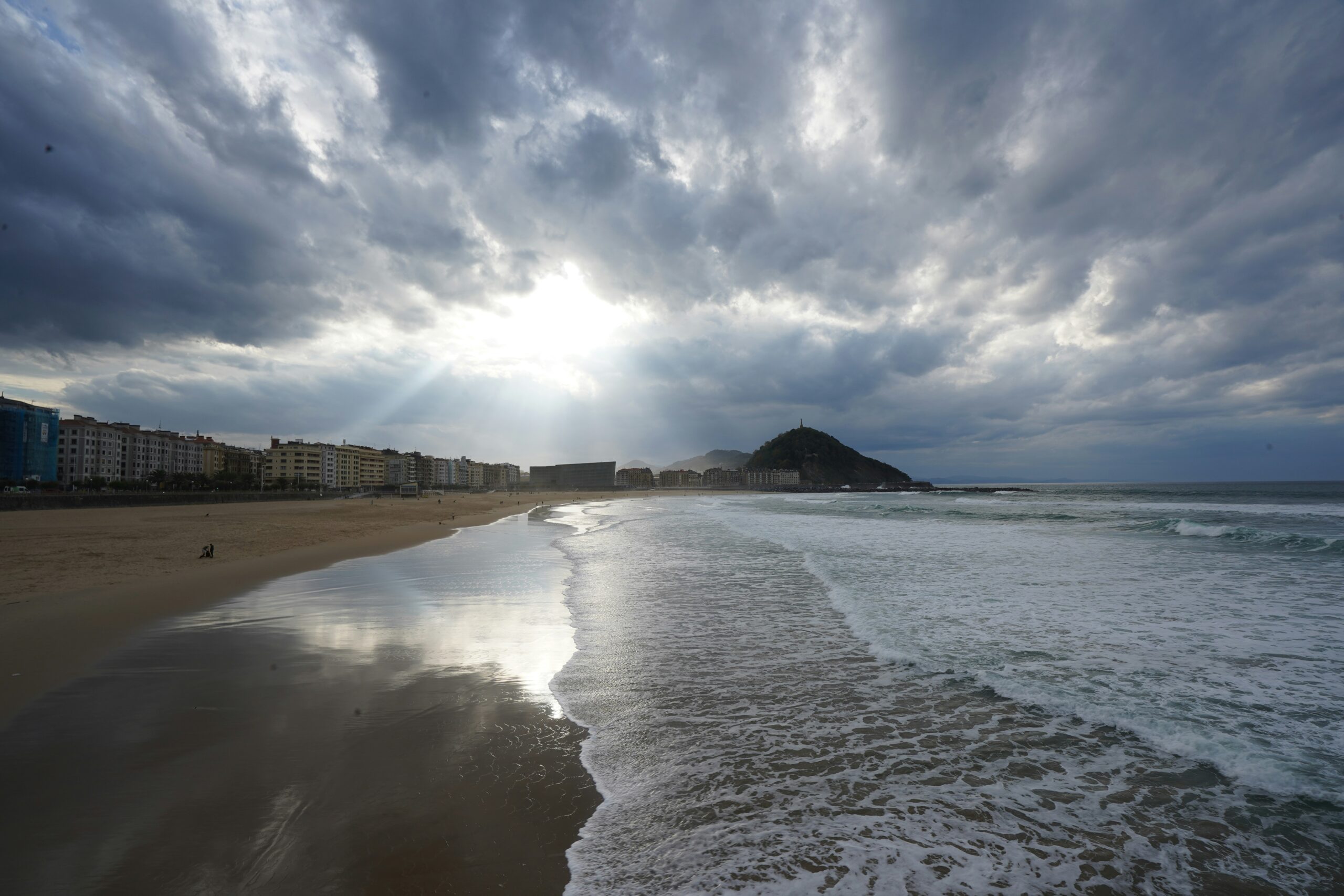
If you are coming in January, pack an extra jumper. And even when the sun is out, the water in the Bay of Biscay is cold: Zurriola in winter is for walking along and for looking at, unless you bring a wetsuit.
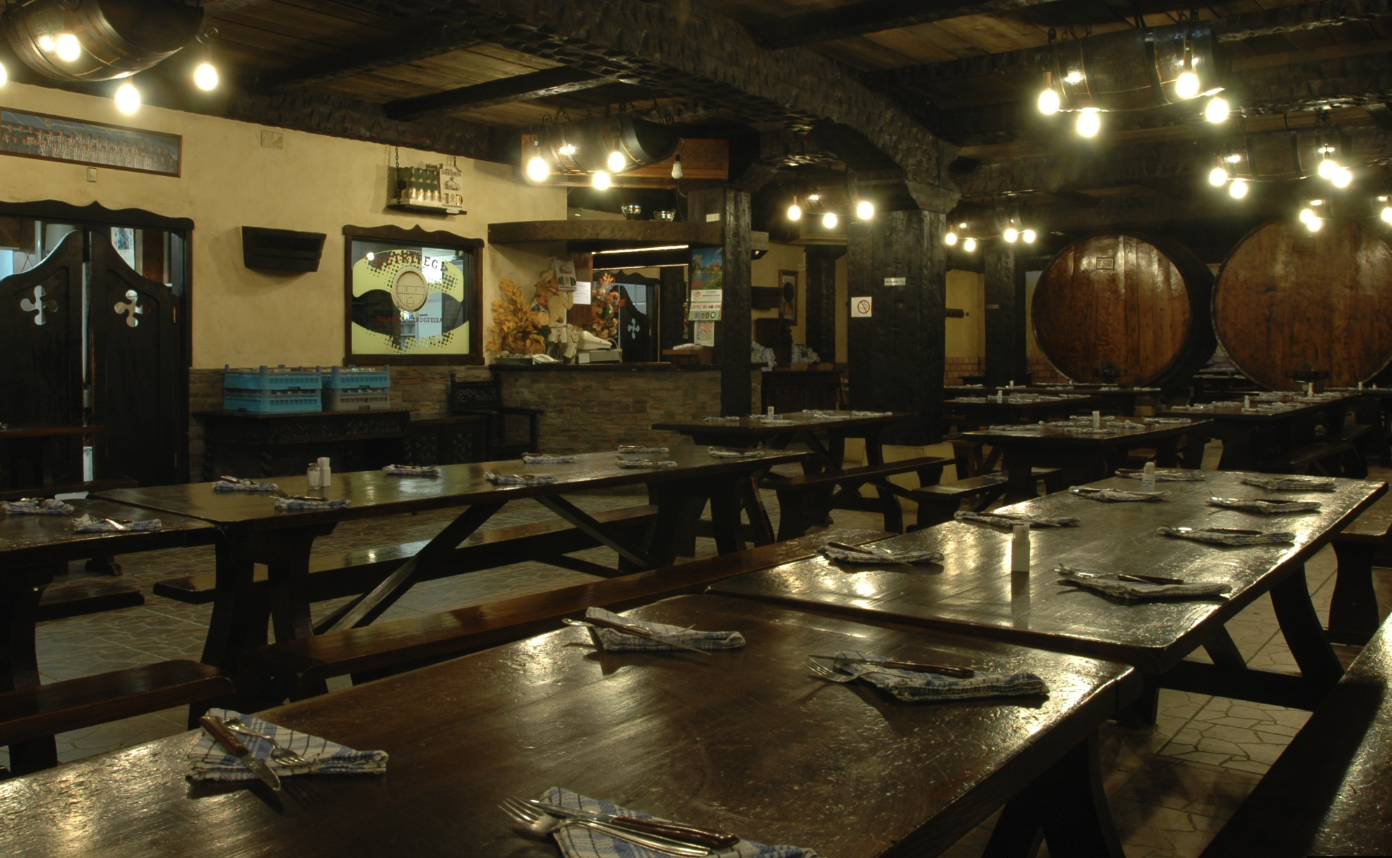
Cider house season
From mid-January to April the cider houses around the city open their doors. Astigarraga, about ten minutes away by car, has most of them, and it is one of the strong reasons to come in these months.
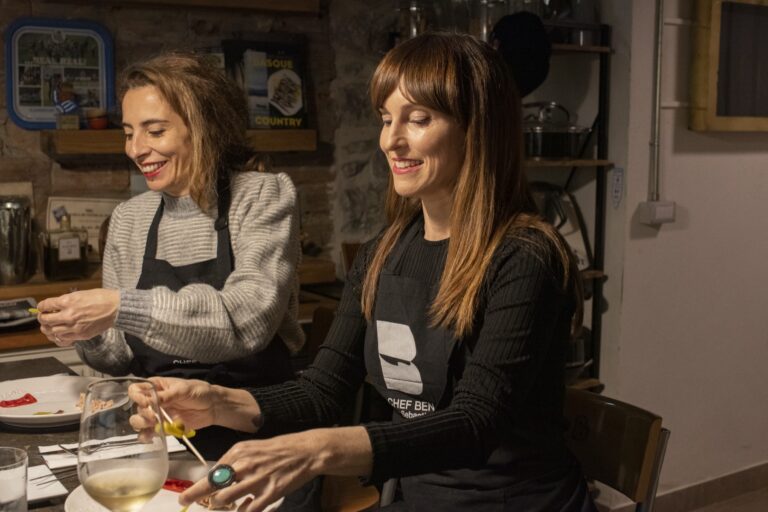
The ritual is always the same: a shared set menu — salt cod omelette, grilled beef rib, cheese with walnuts and quince — and cider poured straight from the kupela when somebody shouts "txotx". There are no tables for two: you eat standing or at long boards, and you walk to the barrel and back as many times as you need to. You book ahead and you go by taxi or public transport, for obvious reasons.
If you want the detail of how a cider house works from the inside, we tell the whole story in our cider house guide.
Museums and indoor plans
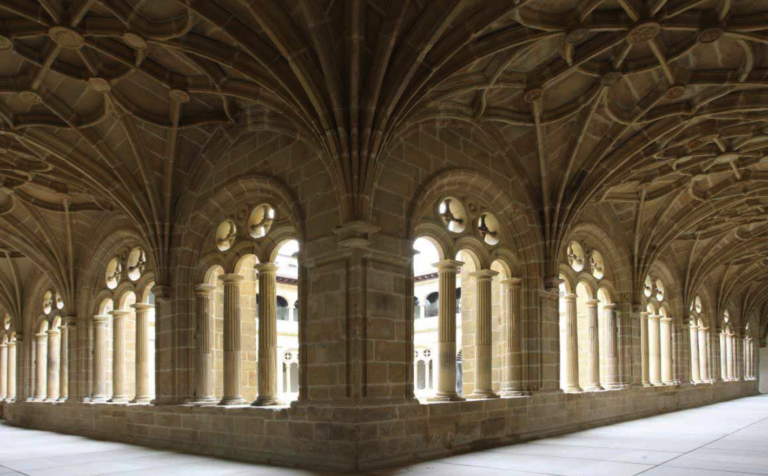
Winter is the best time for museums, simply because there is nobody in them. Museo San Telmo, in a former Dominican convent in the Old Town, covers Basque history and culture; on winter hours (1 November to 31 March) it opens Tuesday to Sunday, 10:00 to 19:00, and entry is free on Tuesdays and for under-25s.
Tabakalera, the old tobacco factory turned contemporary culture centre, is free to enter, has exhibitions that rotate and a rooftop with views. It is about ten minutes on foot from our apartment on Paseo de Francia. The Aquarium, next to the harbour, works very well with children and in winter you can walk round it without the crush.
There is original-version cinema all year too, with seasons and retrospectives that cluster in exactly these cold months. If you get a day of solid rain, we have a longer list of indoor plans on the blog.
The winter festivals
The city's calendar concentrates in these months, and not by accident.
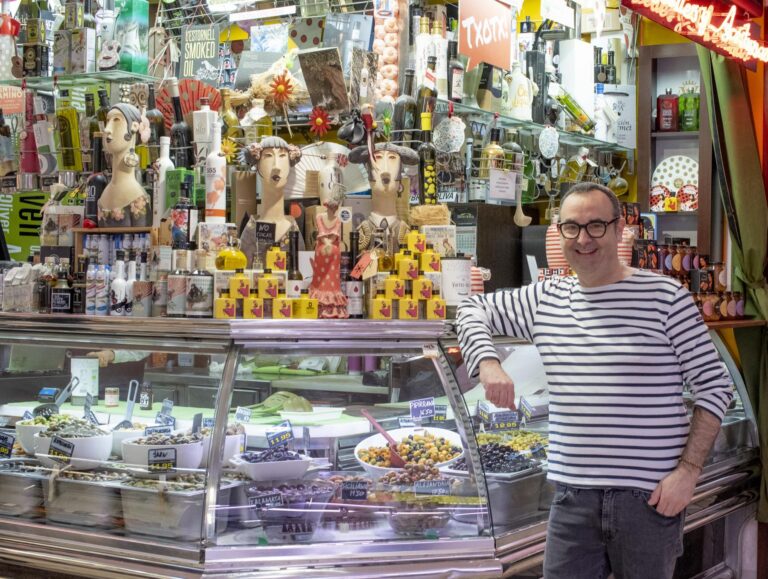
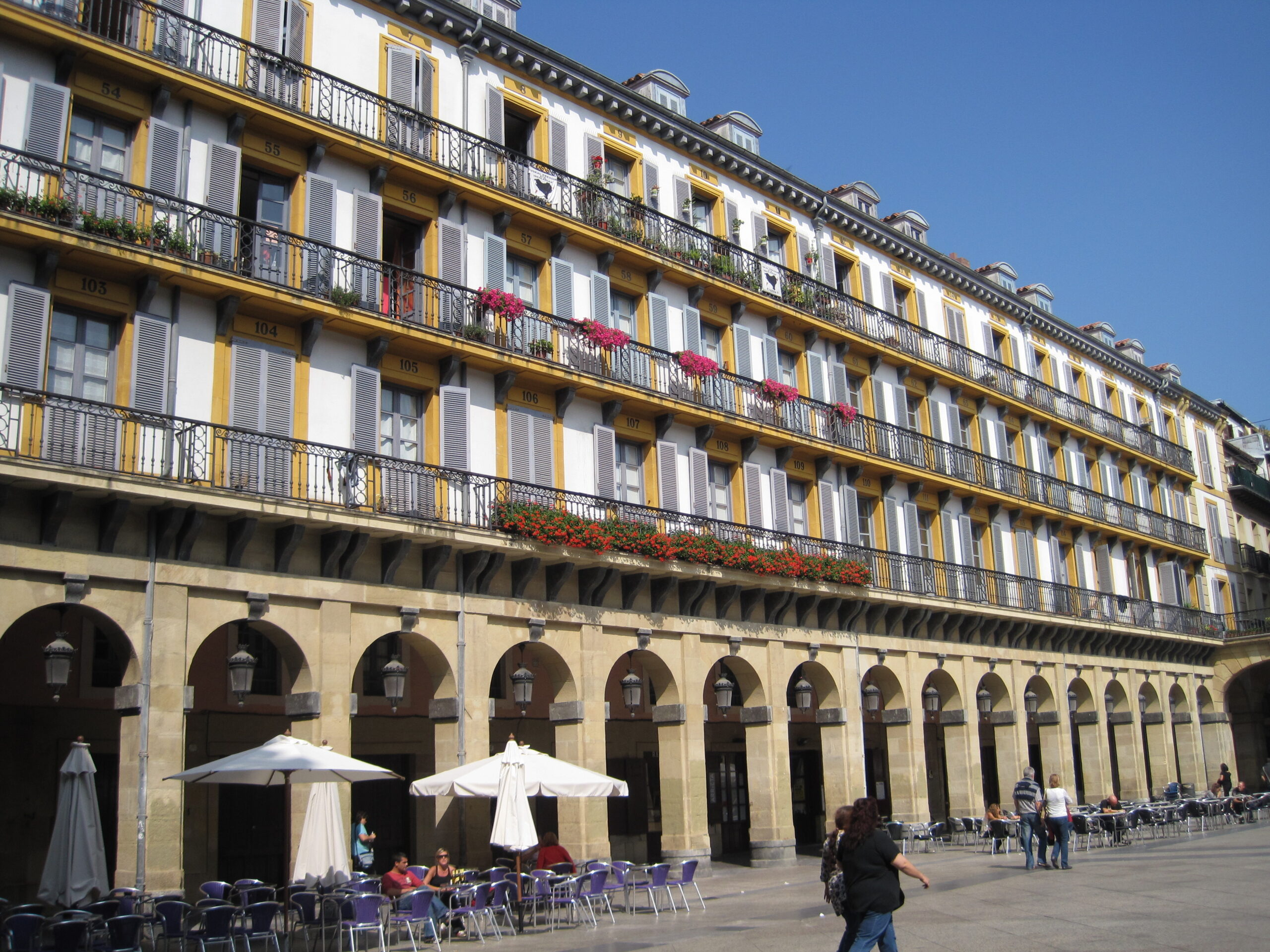
- Santo Tomás, 21 December. The city turns into a country market: stalls of cheese, honey, txistorra sausage and cider take over the Plaza de la Constitución and the streets of the centre. You eat a txistorra roll standing up, in the street, with the whole city doing the same.
- Tamborrada, 20 January. The big day. Twenty-four hours of drums and barrels moving through every neighbourhood, from the flag-raising at midnight to the lowering the following night. We have given it a whole guide of its own: the 2027 Tamborrada.
- Caldereros and Carnival, in February. The caldereros open the season on the first Saturday of February with a noisy parade that announces Carnival. The Carnival dates move every year because they depend on Lent.
Walks by a winter sea
When a swell comes in, the waves break against the Paseo Nuevo and rise metres above the wall. People from here go out specifically to watch it, with the caution the place demands: never from the edge and never in a declared storm. From Gros it is about fifteen minutes on foot, crossing by the Kursaal bridge.
The Igueldo funicular keeps running in winter on reduced hours, and the views of the bay with low cloud and a churning sea look nothing like the August postcard. And from the far end of Zurriola beach the climb up Monte Ulia begins, a coastal walk of around two hours there and back to the lighthouse.
The easiest of the lot is right outside the door: the Urumea riverside walk, flat, wide, with the low afternoon light reflecting off the Belle Époque façades. It is the one we do most often ourselves.
What the city feels like in winter
The practical advantage is obvious: cheaper accommodation, museums with no queue and pintxo counters you walk straight up to. The city is flat, compact and covered on foot; the city buses are accessible and run well in January too, so the rain never leaves anyone shut in.
Pintxo culture is also more pleasant in the cold: you go in, order a couple of things, leave and carry on at the next counter. In winter you can do that at your own pace, which is exactly what you cannot do in summer.
If you are weighing up the neighbourhood, Gros puts the beach, the river and the Old Town within ten minutes, and it is where our apartment is: two bedrooms, two adapted bathrooms and big windows, which on grey days matter more than you would think.
Frequently asked questions
What temperature is it in San Sebastián in winter?
Between 5 and 13 degrees on average. The damp and the wind make it feel colder than the thermometer says, so bring layers and a waterproof.
Does it rain a lot?
Yes, especially in November and December. But it rarely rains all day: what you normally get is intermittent showers and xirimiri. Nobody from here cancels plans over it.
Is it worth coming out of season?
If you are after beach and sun, no. If you are after the city without queues, the cider house season, the Tamborrada and lower prices, it is the best time of the year.
Can you swim in winter?
There are surfers at Zurriola all year round, always in wetsuits. For simply swimming, the water is too cold from November to April.